

TL;DR
A T-bone crash can leave you with serious injuries, medical bills, and hard questions about who was at fault. A T-bone accident lawyer in Los Angeles can help explain your legal options, gather evidence, and assess what compensation California law allows.
A green light should mean you can cross an intersection safely. But what happens when another driver speeds through and slams into the side of your car? In seconds, a routine drive can turn into a trip to the hospital, a damaged vehicle, and weeks of unanswered questions.
A July 2026 crash in South Los Angeles shows how devastating these collisions can be. According to the Los Angeles Times, a BMW SUV broadsided a Toyota Camry near West 78th Street and Crenshaw Boulevard, killing two men and critically injuring a child. Police investigated the collision, while surveillance footage appeared to show vehicles speeding before the crash. Read the Los Angeles Times report. The report does not establish a final finding of fault.
At Blair & Ramirez LLP, we understand that a serious collision raises more than questions about vehicle damage. Who should pay for treatment? What if you cannot return to work? And what happens when the other driver disputes your account? Understanding your rights starts with knowing what the evidence can show.
What Makes a T-Bone Crash So Dangerous?
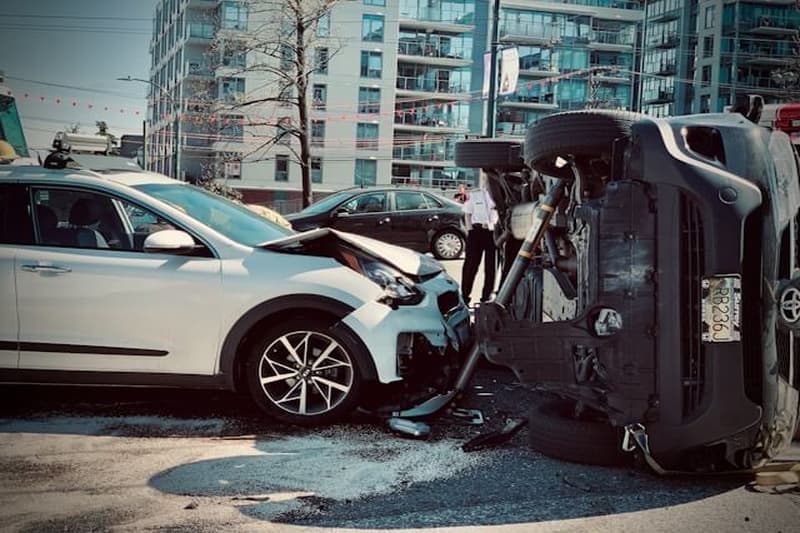
A T-bone crash happens when the front of one vehicle strikes the side of another. The impact forms a T shape. You might also hear it called a side-impact or broadside collision.
Why can this type of crash cause such severe harm? A vehicle’s side often offers less space between the occupant and the point of impact than its front does. A hard strike can push the door inward, throw occupants against the interior, or cause the vehicle to spin.
Common side impact collision injuries include:
- Broken ribs, arms, and legs.
- Head injuries and concussions.
- Neck and spinal cord injuries.
- Internal bleeding and organ damage.
- Hip, shoulder, and pelvic injuries.
Side impact airbag injuries can also occur. Airbags help reduce certain crash forces, but deployment can cause bruises, burns, or other injuries. An airbag does not rule out a serious injury, either.
A person might walk away from a crash and feel fine at first. Later, pain or dizziness might appear. That is why medical care and a clear record of symptoms matter. Do not judge the seriousness of a collision by the damage to the car alone.
Who Is at Fault in a T-Bone Accident?
The answer depends on what each driver did before the impact. Did someone run a red light? Did a driver turn left without yielding? Was someone speeding, distracted, or driving under the influence?
California law requires drivers making left turns to yield to oncoming vehicles that pose a hazard. California Vehicle Code § 21801. But a collision’s location alone does not settle fault.
|
Possible cause |
Evidence that may help |
|
Running a red light |
Traffic camera footage, witness accounts, signal records |
|
Unsafe left turn |
Vehicle positions, photographs, witness statements |
|
Speeding |
Video footage, vehicle damage, crash reconstruction |
|
Distracted driving |
Phone records obtained through proper legal procedures, witness accounts |
|
Multiple drivers’ mistakes |
Scene evidence, expert analysis, and each driver’s actions |
What if both drivers made mistakes? California follows a pure comparative negligence rule. An injured person can still seek damages even when partly responsible, although their share of fault reduces the amount they can recover.
For example, suppose a court finds $100,000 in damages but assigns the injured driver 20% of the fault. The potential recovery would fall to $80,000, subject to the case’s facts and applicable law.
The key is evidence, not assumptions. A police report can help, but it does not always answer every question about liability.
What Recent California Supreme Court Cases Tell Us
A T-bone accident often raises a simple question with a complicated answer. Who had the right to enter the intersection, and who failed to drive safely? California Supreme Court decisions involving real traffic collisions help explain how courts approach these disputes. Although these cases do not all involve a classic side-impact crash, they offer useful guidance on intersection safety, driver negligence, and shared fault.
1. Paz v. State of California (2000)
A collision at a T-intersection in Los Angeles
In Paz v. State of California, Francisco Paz rode his motorcycle westbound on Foothill Boulevard in Los Angeles. At the intersection with Osborne Street, a driver turning left from Osborne Street onto Foothill Boulevard collided with him. The intersection had restricted sight lines, and Paz argued that the lack of traffic signals contributed to the danger.
Paz sued several parties, including public agencies and private contractors involved in plans to install traffic signals. He argued that their failure to complete the work contributed to his injuries.
On March 20, 2000, the California Supreme Court ruled that the private contractors and developer did not owe Paz a duty of care simply because they had undertaken work that might have improved the intersection. The court explained that a claim based on a negligent undertaking requires evidence that the defendant’s conduct increased the risk of harm, involved performing another party’s duty, or caused harm through reliance on the undertaking.
Read the full decision in Paz v. State of California.
Why it matters for T-bone accidents: The case arose from a collision at a T-intersection in Los Angeles, making its setting especially relevant to our topic. It also shows that an intersection crash can raise questions beyond the conduct of the drivers. Road design, obstructed views, and the roles of other parties can matter, but an injured person must establish a valid legal basis for holding each defendant responsible.
The ruling does not mean a city or contractor can never face liability after an intersection crash. It means that the facts and the legal duties of each party matter. A T-bone accident lawyer in Los Angeles can assess whether the evidence points to driver negligence, a dangerous road condition, or another legally supportable cause.
-
Li v. Yellow Cab Co. of California (1975)
In Li v. Yellow Cab Co. of California, Nga Li was making a left turn near an intersection in Los Angeles when a Yellow Cab approached. The cab driver entered the intersection at a dangerous speed as the traffic light changed, and the vehicles collided. Li acknowledged that her own driving had also been negligent.
At the time, California’s traditional contributory negligence rule could prevent an injured person from recovering damages if that person contributed to the accident. The California Supreme Court reconsidered that rule and, on March 31, 1975, adopted pure comparative negligence.
Under this approach, an injured person can recover damages even when partly responsible for the collision. The court reduces the damages according to the injured person’s share of fault.
[Read the full decision in Li v. Yellow Cab Co. of California.]
Why it matters here: Intersection crashes do not always involve one driver who is entirely at fault. One driver might turn without yielding, while the other drives too fast or fails to react when a hazard becomes clear. The evidence must show how each person’s conduct contributed to the collision.
For example, suppose a jury awards $150,000 in damages but finds that the injured driver bears 25% of the fault. Under California’s comparative negligence rule, the award would generally fall to $112,500.
That does not mean every driver who shares some blame will receive the same result. The evidence determines how the parties’ responsibility is divided. Still, Li makes one important point clear: partial fault does not automatically eliminate an injured person’s right to seek compensation.
-
Satterlee v. Orange Glenn School District (1947)
In Satterlee v. Orange Glenn School District, the California Supreme Court examined an intersection collision involving a school bus and another vehicle. The case raised questions about right-of-way rules and whether a driver could rely on those rules without taking reasonable care.
The court explained that a motorist cannot claim an absolute right to proceed through an intersection when that right depends on excessive speed or another negligent act. Right-of-way rules help drivers decide who should proceed, but they do not remove the duty to drive carefully.
[Read the full decision in Satterlee v. Orange Glenn School District.]
Why it matters here: A driver who has a green light or the right-of-way still has to respond reasonably to a visible danger. At the same time, a driver facing a stop sign or preparing to turn must follow the applicable traffic rules and yield when required.
Suppose a driver enters an intersection on a green light, but another driver suddenly crosses the path of traffic. Investigators must consider the signal, each driver’s speed, what each person could see, and whether either driver had a reasonable chance to avoid the impact.
A traffic signal or right-of-way argument is important evidence, but it does not settle every question of negligence. The circumstances surrounding the collision still matter.
How Is a Broadside Crash Settlement in California Calculated?
There is no fixed settlement amount for a T-bone collision. The value of a claim depends on the injuries, medical needs, lost income, evidence of fault, available insurance, and other case-specific facts.
|
Type of loss |
Examples |
|
Medical expenses |
Emergency care, surgery, medication, rehabilitation |
|
Lost income |
Missed work and documented loss of earning capacity |
|
Pain and suffering |
Physical pain and emotional distress |
|
Property damage |
Vehicle repair or replacement costs |
|
Future needs |
Ongoing treatment, support, and long-term care |
Consider someone who suffers a broken hip and cannot work for several months. Their claim may involve surgery, rehabilitation, lost wages, and future medical needs. A person with minor bruising and a short recovery will have a different set of losses.
What if the insurer offers a settlement before doctors understand the full extent of the injuries? Accepting a settlement can affect the ability to seek further compensation for the same claim. Reviewing medical information and the proposed release matters before making that decision.
A broadside crash settlement in California should reflect the evidence and legally recoverable losses, not a number copied from another person’s case. Past results do not guarantee or predict a similar outcome in future cases. Each case is different and must be evaluated on its own facts and circumstances.
What Should You Do After an Intersection T-Bone Accident?
Your health comes first. Once you are safe, a few practical steps can help preserve important information.
- Get medical care. Seek emergency help for serious symptoms and follow medical advice for other injuries.
- Report the crash. Contact law enforcement when appropriate and provide accurate information.
- Document the scene. If it is safe, photograph the vehicles, road markings, traffic signals, visible injuries, and debris.
- Collect witness details. Names and contact information can help investigators understand what happened.
- Keep your records. Save medical bills, repair estimates, wage records, and communications with insurers.
- Be careful with statements. Give accurate facts, but do not guess about speed, fault, or the full extent of injuries.
- Review the deadline. California generally allows two years from the injury to file a personal injury lawsuit, but exceptions and different rules can apply. Claims against public entities often have much shorter claim deadlines.
For the general personal injury deadline, see California Code of Civil Procedure § 335.1. Do not assume that negotiations with an insurer pause the deadline.
Frequently Asked Questions
Key Takeaways
- T-bone crashes can cause serious injuries, even when the vehicles do not look badly damaged.
- Fault depends on evidence, including traffic signals, witness accounts, vehicle damage, and driver conduct.
- California’s comparative negligence rules can allow recovery when an injured person shares some fault.
- Settlement value depends on documented losses, injury severity, liability, and available insurance.
- California deadlines matter. Preserve evidence, keep medical records, and check the rules that apply to your claim.
Get Clear Answers After a Serious Intersection Crash
A side-impact collision can change your life before you have time to react. Then come the medical appointments, repair bills, missed paychecks, and questions from insurance adjusters. What happened at the intersection? Who had the right of way? And how will you cover the losses while you recover?
At Blair & Ramirez LLP, we help injured people understand their legal options and the evidence that can support a claim. If you or a family member suffered injuries in a T-bone collision, contact Blair & Ramirez LLP to request a consultation and discuss your circumstances. A clear review of the facts can help you understand the next steps available under California law.