

A car crash can leave you with a lot to deal with. Your car may need repairs. You may have an injury. You may also need to report the crash to the California DMV. But when do you need to file a California DMV accident report? California uses a form called the Report of Traffic Accident Occurring in California, or Form SR-1. If your crash meets certain rules, you must file the form within 10 days. The SR-1 is not the same as a police report or an insurance claim. You may need to file all three.
So, what should you know before you start?
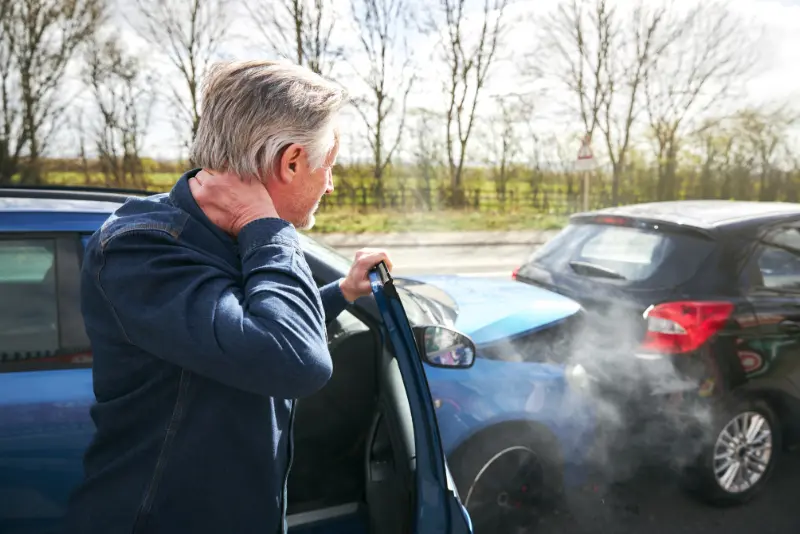
When Do You Need to File a California DMV Accident Report?
Not every crash needs an SR-1. So, how do you know if yours does?
You must report the crash to the DMV within 10 days if:
- Someone gets hurt, even if the injury seems minor
- Someone dies
- Property damage costs more than $1,000
Here is a simple example.
Let’s say another driver hits your car at a stop sign. No one dies, but you hurt your back. You may need to file an SR-1.
What if no one gets hurt? You may still need to file one. If the crash causes more than $1,000 in damage to your car or other property, the reporting rule may apply.
Does it matter who caused the crash? No.
You may need to file the form even if the other driver caused the accident. The rule looks at what happened in the crash, not just who caused it.
And there is another point many drivers miss. A crash on private property may also fall under the SR-1 rules.
Is the SR-1 the Same as a Police Report?
No. These reports serve different purposes.
You may call the police after a crash. You may also tell your insurance company what happened. But those steps do not replace the SR-1.
Think of it this way:
You get into a crash. The police come and make a report. Then you call your insurance company to start a claim. You still may need to file an SR-1 with the DMV.
That means one crash can lead to several forms and reports.
How Do You File a California DMV Accident Report Online?
The California DMV lets you file an SR-1 online.
But don’t start the form without your information. First, gather what you can.
You may need:
- Your driver’s license or ID
- Your license plate number or VIN
- Your insurance information
- The other driver’s name and information
- The other vehicle’s insurance information
- The date, time, and place of the crash
- Information about injuries or deaths
- Information about damage to cars or other property
Why gather this first?
It can save you time and help you avoid mistakes. For example, you may remember the crash clearly but forget the other driver’s insurance policy number. Finding that information before you start can make the form much easier to complete.
The DMV also offers a printable version of the SR-1 if you do not want to file online.
What Is Form SR-1?
Form SR-1 tells the DMV about a qualifying crash.
What does the DMV want to know?
It asks about the people, cars, insurance, injuries, deaths, and damage involved in the crash.
You may need to give the DMV:
- Your name and address
- Your driver’s license number
- Your vehicle’s make and year
- Your license plate number or VIN
- Your insurance company and policy number
- The date and time of the crash
- The place where the crash happened
- The other driver’s information
- The names of people who got hurt or died
- Details about property damage
The form also asks some other questions. Did the crash happen on private property? Was a driver working for an employer when the crash happened?
Answer each question as clearly and accurately as you can.
Does the SR-1 Say Who Caused the Crash?
No.
This is important.
Filing an SR-1 does not mean you admit that you caused the crash.
Think about another driver who runs a red light and hits you. You suffer an injury, and your car needs major repairs. You may still need to file an SR-1.
The form reports the crash. It does not, by itself, decide who caused it.
Why Is Filing an SR-1 Important?
Because you may have a legal duty to file it.
What happens if you don’t?
If California requires you to file an SR-1 and you fail to do so, the DMV may suspend your driving privilege.
That can create another problem after an already stressful crash.
The DMV also keeps accident information in its records. So, do not assume that your police report or insurance claim takes care of everything. For example, you may call your insurance company right after a crash and think you’re done. But if the crash meets the SR-1 rules, you still need to take care of the DMV report.
Can Someone Else File the SR-1 for You?
Sometimes, yes.
You can file the form yourself. In some cases, your insurance agent, insurance broker, or legal representative can complete it for you.
Why might that help?
A serious crash can leave you dealing with pain, doctor visits, car repairs, and insurance calls. Having help with the form may make things easier.
Still, check the information carefully. Make sure the form tells the truth about what happened.
What If You Miss the 10-Day Deadline?
This is where you need to pay attention.
If your crash meets the SR-1 rules, California requires you to file the form within 10 days.
What happens if you wait too long?
The DMV may suspend your driving privilege if you fail to file a required report.
Let’s say a crash happens on Monday. You spend the next two weeks dealing with your car and medical care. You then remember the SR-1. You may have already missed the deadline.
Not sure whether your crash requires an SR-1? Look at the basic facts first. Did someone get hurt? Did someone die? Did property damage go over $1,000?
Those questions can help you understand whether the reporting rule may apply.
What Should You Do After Filing the SR-1?
Filing the SR-1 is only one step after a crash.
What about your medical bills? What if you cannot work? What if the other driver’s insurance company refuses to pay? What if your injury gets worse?
The DMV report does not answer those questions.
You may file your SR-1 on time, but you still may need to deal with medical bills, car repairs, lost wages, or an injury claim.
That is why it helps to look at the whole picture after a crash.
If you have questions about your accident or the legal issues that may follow, Blair & Ramirez LLP can review your situation and explain your options.
Request a Free Consultation