

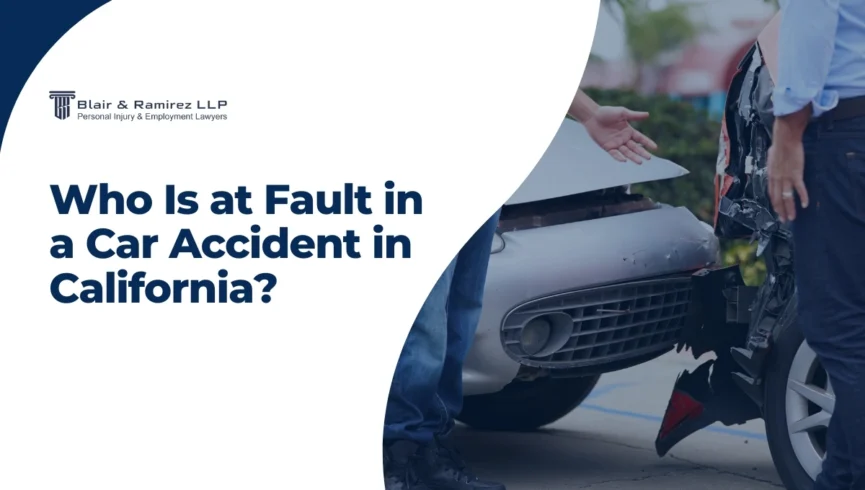
In California, if you're injured in a car accident, the driver who caused the crash is legally responsible for your personal injury damages including medical bills, lost wages, and long-term care. The state follows an at-fault (tort-based) insurance system, meaning the responsible party not your own insurer covers your losses.
But figuring out who’s at fault in a car accident isn’t always straightforward. California uses a comparative negligence system, where multiple drivers can share responsibility. Each is held accountable based on their percentage of fault. Even someone 99% at fault can still recover the remaining 1% from another driver.
Understanding how fault is decided under California law can directly impact your compensation and your ability to protect your legal rights.
California's Fault Laws and Their Impact on Car Accident Cases
After a car collision, it’s not just the facts that matter, it’s how the law interprets them. In California, specific legal standards determine who is financially responsible for the harm caused. These standards define negligence and guide every personal injury claim.
- California Follows an At-Fault System: California follows a tort-based model, which means injury claims depend on proving who caused the crash. Evidence like police reports, medical records, and witness statements often decide compensation. Unlike no-fault states, your own insurance doesn’t automatically cover medical expenses.
- Comparative Negligence Applies: Under pure comparative negligence, you can recover damages even if you share responsibility. Your award is reduced by your fault percentage. For example, if you are 20% at fault in a $100,000 crash, you could still receive $80,000.
- Traffic Laws Influence Fault: When someone breaks a traffic law like running a red light or speeding the law may treat them as automatically negligent. This legal principle, called negligence per se, can make it easier to prove liability in a personal injury claim. Unless there's strong evidence to the contrary, the violation alone may be enough to assign blame.
How Fault Is Determined in Different Types of Car Accidents in California
Fault is not assigned the same way in every accident. The specific facts, crash type, and surrounding conditions all influence how liability is decided.
Rear-End Collisions: Presumption Against the Rear Driver
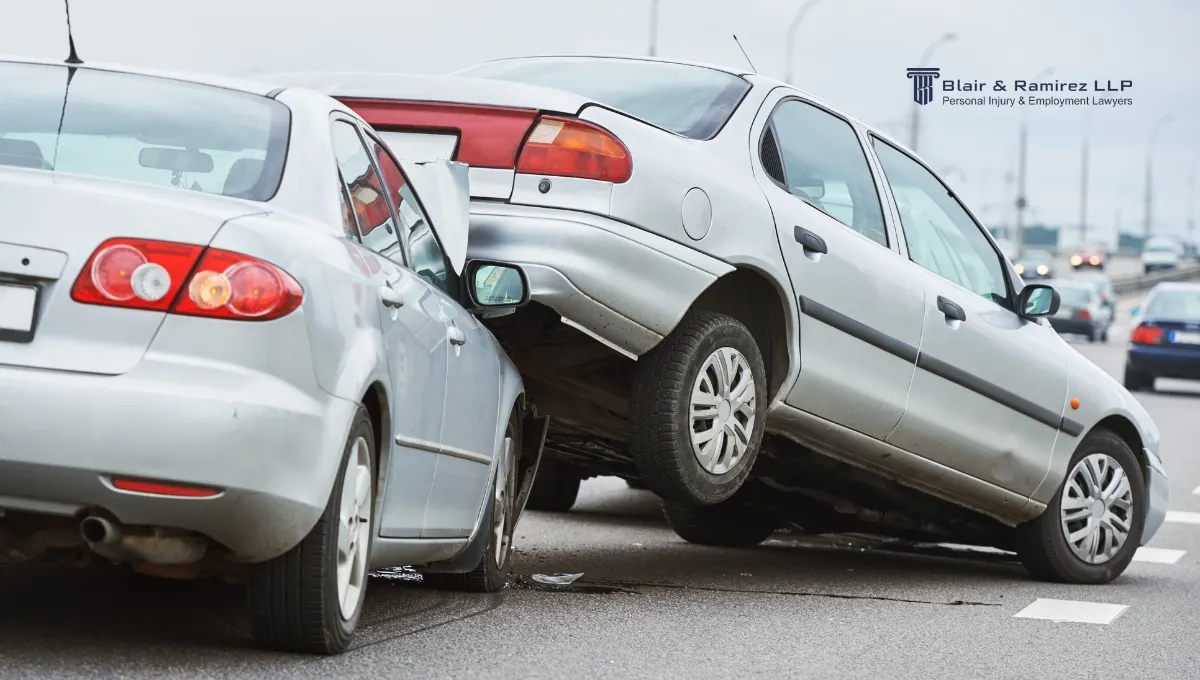
In most rear-end crashes, the rear driver is presumed to be at fault. California law requires drivers to maintain a safe following distance (Vehicle Code § 21703). When someone fails to stop in time, it usually indicates a lack of care.
The presumption can be challenged if:
- The lead driver brakes suddenly without cause.
- The lead car’s brakes lights are not working properly.
- A vehicle cuts in abruptly without enough space.
Fault is based on physical damage, driver statements, and road conditions. Even in these cases, the trailing driver must prove they weren’t negligent to avoid liability.
Intersection and T-Bone Accidents: Right-of-Way Violations
T-bone collisions typically happen when one driver fails to yield the right-of-way. Common scenarios include running a red light, ignoring a stop sign, or making an unsafe left turn across traffic.
Fault usually falls on the driver who entered the intersection unlawfully.
However, shared liability is possible if the other driver was speeding, distracted, or not paying attention.
Lane-Change and Merging Accidents: Unsafe Movement Liability
These accidents typically occur when a driver changes lanes without checking blind spots, signaling, or ensuring space.
Under Vehicle Code § 22107, any lane change must be made safely. Liability often falls on:
- Drivers who merge aggressively.
- Motorcyclists lane-splitting unsafely.
- Anyone drifting out of their lane.
Shared fault is common in dense traffic when both drivers move at once or visibility is limited.
Head-On Collisions: Centerline Breach and Negligence
Fault in a head-on crash usually belongs to the driver who crosses into oncoming traffic. These incidents often involve DUI, fatigue, distraction, or medical episodes.
However, not all centerline breaches are negligence, a sudden obstacle or mechanical failure may shift liability.
Skid marks, point of impact, and eyewitness accounts help determine whether the driver’s actions were avoidable.
Parking Lot Accidents: Shared or Low-Speed Fault Distribution
Even though parking lot accidents happen at low speeds, fault can be tricky. Visibility is limited, and traffic patterns are informal.
Common liability patterns include:
- Reversing drivers hitting moving vehicles.
- Drivers ignoring posted signs or yield markings.
- Collisions with legally parked cars.
Negligence rules still apply, and insurers rely on dashcam footage, photos, and witness statements to decide liability.
Multi-Car Pileups: Chain-Reaction Impact and Shared Fault
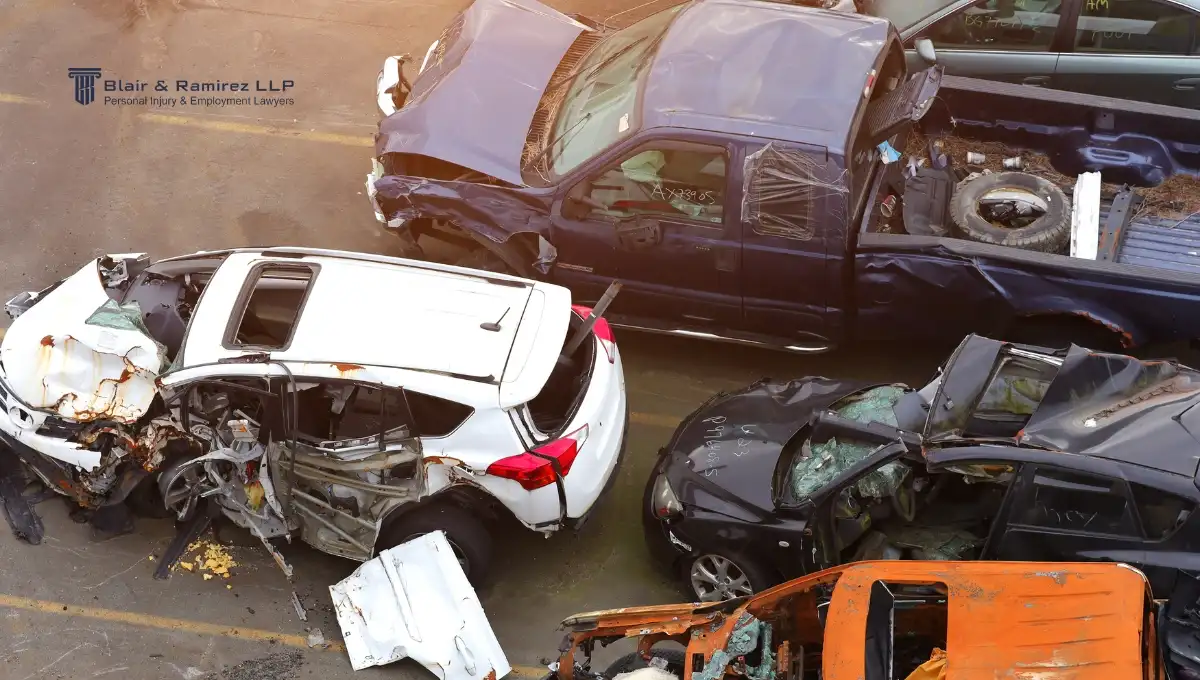
In multi-vehicle pileups, fault is divided among several drivers. The chain often starts with one driver stopping abruptly or tailgating, but others may also be liable for following too closely.
For example, a driver who stopped abruptly and started the chain collision might be 70% at fault, while a following driver who was tailgating might be 30% at fault for hitting the car in front of them.
Single-Vehicle Accidents: Road Conditions or Third-Party Faults
A driver is often blamed in single-vehicle crashes, but liability can shift if outside factors contributed.
Examples include:
- A roadway was poorly maintained.
- A manufacturer defect caused brake failure.
- A sudden hazard (like debris or wildlife) forced evasive action.
Claims may be filed under the California Tort Claims Act or as product liability cases.
Can More Than One Driver Be at Fault? (Shared Liability Explained)
Yes multiple drivers can share legal responsibility for the same accident. Under California’s pure comparative negligence system, fault is divided by percentage. Each party pays and receives based on their share of responsibility.
This means you can still recover damages even if you were partly at fault. Your compensation is reduced by your own percentage of fault.
For example:
- 50/50 split: Two drivers reverse into each other in a parking lot, neither checked their surroundings.
- 70/30 split: One driver runs a red light; the other was speeding.
- 90/10 split: A lead car stops abruptly with broken brake lights, and is rear-ended.
These percentages are usually decided by insurance adjusters, attorneys, or the court, depending on whether the case is settled or goes to trial.
How Insurance Companies Determine Fault in California
Police Reports and Witness Statements
Police reports carry strong weight in how insurers assess fault. These documents usually include:
- Photos from the crash scene.
- Basic crash diagrams showing vehicle positions.
- Citations issued for traffic violations.
If a driver is cited under the California Vehicle Code, it may create a presumption of negligence. Neutral witness statements can support or challenge what the drivers report.
Dashcam, Surveillance, and Onboard Footage
Damage Patterns and Point of Impact Analysis
The damage to each car tells part of the story. Insurers examine:
- Where the impact occurred
- How severe it was
- The direction of force
For example, front-end damage to one car and rear-end damage to another usually signals a following-distance violation. In more complex collisions, insurers may bring in accident reconstruction experts.
Statements from Drivers and Passengers
How to Handle a Disputed Fault in a California Car Crash
If an insurer unfairly blames you for a crash, it can reduce or deny the compensation you’re legally owed. The good news is: their decision isn’t final. You can challenge it with the right steps and the right evidence.
Here’s how to respond when fault is in dispute:
- Dispute the Decision in Writing: Let the insurer know you disagree with their fault decision. Send a written response with a clear explanation and any new evidence such as photos, diagrams, or witness names, they may have missed.
- Conduct an Independent Investigation: If the insurer won’t reconsider, do your own investigation. This might mean talking to new witnesses, finding video footage (dashcams, surveillance) and hiring an accident reconstruction expert.
- Get Legal Support: A car accident attorney can handle the back-and-forth with the insurance company and they know how to challenge unfair fault claims. They’ll also help protect your rights if things escalate.
- Prepare for Arbitration or Litigation: If there’s no agreement, your attorney may suggest arbitration or filing a personal injury lawsuit. That puts the final decision in the hands of a neutral arbitrator or the court not the insurer.
Disputes over fault can feel overwhelming, but strong evidence and the right legal guidance can turn a denied claim into a fair outcome.
Why Fault Determination Shapes the Outcome of a California Accident Claim
Fault percentages directly affect what you take home after a crash. For example, if your damages are $50,000 and you’re found 20% at fault, your recovery drops by $10,000.
That precision doesn’t just cut your payout, it influences how much you owe on medical lien reimbursements, the premiums you’ll pay in the future, and your leverage in settlement negotiations.
Even small changes in fault allocation can have major financial consequences.
Legal and Financial Consequences of Being at Fault in California
Personal Injury and Property Damage Liability
Your liability insurance must cover the other party’s medical treatment, vehicle repairs, and related losses. Starting in 2025, California will require higher minimum liability limits:
- $30,000 for bodily injury or death per person (up from $15,000)
- $60,000 for bodily injury or death per accident (up from $30,000)
- $15,000 for property damage per accident (up from $5,000)
If damages go beyond your policy limits, the injured party can sue you directly. A successful judgment may be enforced through wage garnishment, property liens, or asset seizure, creating serious long-term financial exposure.
Medical Expenses and Out-of-Pocket Costs
Long-Term Effects on Insurance Premiums
What a Car Accident Lawyer Does When Fault Is Unclear
When liability is disputed, injuries are serious, or multiple drivers are involved, a lawyer can make the difference between a denied claim and a fair recovery. Police and insurers perform their own reviews, but an attorney goes further, gathering evidence, protecting your rights, and fighting for compensation at every stage.
Investigative Techniques Used by Attorneys
To establish liability, attorneys conduct independent investigations, analyzing the crash scene and building a compelling case. This involves:
- Collecting physical and digital evidence.
- Hiring accident reconstruction experts.
- Subpoenaing phone records, EDR data, and surveillance footage.
- Interviewing neutral witnesses and consulting with medical professionals.
The goal is to build a clear picture of how the crash happened and who should be held responsible.
Negotiating with Insurance Companies
Insurance companies often try to downplay fault or undervalue damages. Auto accident attorneys push back using verified evidence and their knowledge of state law. They prepare a demand that lays out:
- How the other party was negligent.
- The full extent of your injuries and costs.
- The legal grounds for compensation.
Litigation Strategy in Complex Fault Cases

When and How to File a Car Accident Claim in California
Statute of Limitations Under California Law
California sets clear legal deadlines for filing auto-accident related claims:
- 2 years from the date of injury for personal injury claims under California Code of Civil Procedure § 335.1
- 3 years from the date of the crash for property damage claims under California Code of Civil Procedure § 338
- 6 months to file a government claim if the at-fault party is a public entity, under the California Government Claims Act
Missing these deadlines usually means losing your right to recovery, even if the evidence strongly supports your case.
What Evidence to Include in Your Claim
Evidence proves who was responsible and how much compensation you deserve. The most important pieces include:
- Police reports
- Medical records and treatment bills
- Photos and videos from the scene
- Eyewitness statements
- Repair estimates or proof of vehicle loss
Strong documentation makes it harder for insurers to deny or undervalue your claim.
Steps to File a Third-Party Claim
When filing against the at-fault driver’s insurance:
- Notify their insurer about the crash.
- Submit supporting evidence (statement, photos, repair estimates).
- Cooperate with the investigation but avoid admitting fault.
- Provide any requested documents or interviews.
- Negotiate a settlement, or pursue legal action if liability is denied.
Having a lawyer involved early can prevent mistakes and increase your leverage in negotiations.
Frequently Asked Questions About California Car Accident Fault
When Fault Gets Complicated, That’s Where We Come In
Even small details can shift liability in a car accident case, and that directly affects how much compensation victims receive. When fault is unclear, the settlement offer feels unfair, or injuries are severe, clear legal guidance becomes essential.
At Blair & Ramirez LLP, we work with victims of car accidents to explain their options, protect their rights, and help them navigate the claims process with clarity and care. Our goal is to ensure you understand the law, gather the right evidence, and pursue the fair recovery you deserve.

Tell Us What Happened - We’re Ready to Help