

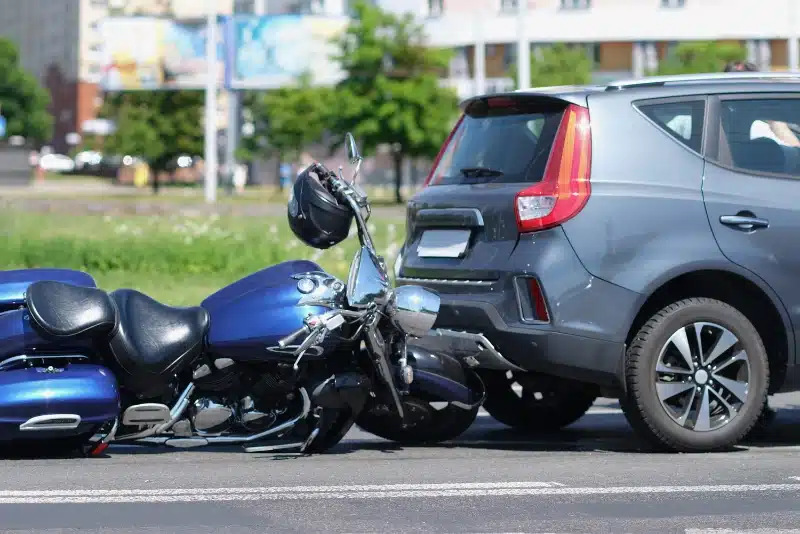
Californians are getting more concerned about road safety, and honestly, who can blame us? It’s a strange kind of tension that sits in your chest long after the ride ends.
Just the other day, I caught myself replaying how fast things change on a motorcycle. You’re fine for a moment, and then everything breaks into noise, impact, and a kind of silence you don’t know how to sit with.
Was I overthinking it? Or just noticing what always sits underneath California traffic?
But no; this isn’t imagination. It’s pattern recognition. The kind that builds slowly after you’ve seen enough crash reports, insurance disputes, and stories that start the same way but end very differently.
That’s usually where a Los Angeles motorcycle accident lawyer enters the picture as someone who keeps the story from breaking apart before it reaches court.
Crashes don’t end at impact. They start a second version of reality right after.
Why Top Motorcycle Accident Lawyers Win Cases in California Courts
There’s a comforting myth that truth naturally wins in court.
It doesn’t.
Courts in California don’t chase truth the way people imagine. They chase proof. Clean, consistent, documented proof that doesn’t shift under pressure.
Take this case: Fancourt v. Zargaryan. A motorcyclist got hit in what looked like a simple crash. At first, injuries seemed minor. Later, the plaintiff introduced a major spinal injury theory right before trial.
That shift changed everything.
The court didn’t say the injury was fake. It said the process broke fairness rules. The defense never got a real chance to challenge the new medical theory. So, the court ordered a new trial.
That detail matters more than it looks, because it shows something uncomfortable: Even strong injury stories fall apart when timing and consistency slip.
A Los Angeles motorcycle accident lawyer lives inside that pressure. They don’t wait for trial surprises. They lock medical facts early so the case doesn’t shift later and lose credibility.

Why Personal Injury Claims Depend on Proving Exact Crash Cause
Not “were you hurt?”
But “can you prove exactly how it happened?”
That’s the part most people underestimate.
In Hu v. City of San Jose (2025, California Court of Appeal), a cyclist hit debris and crashed. The injury looked real. No one questioned that.
But the court didn’t stop there. It asked a more uncomfortable question: what exactly caused the fall?
The plaintiff couldn’t clearly establish the exact cause. The court said that speculation doesn’t meet legal proof standards. So, liability failed.
That’s the part that stings because pain doesn’t automatically equal legal recovery.
A motorcycle crash claim succeeds only when cause and effect line up tightly. And that usually means building more than memory:
- Timing records
- Witness consistency
- Physical evidence
- Medical sequencing
Courts don’t fill gaps. They reject them.
Why Compensation Cases Depend on Legal Duty, Not Tragedy
There’s something people don’t like hearing after a crash: tragedy alone doesn’t decide compensation.
Responsibility does.
Take this case: Estate of St. John v. Schaeffler (2025, California Court of Appeal). In this case, a motorcyclist died after hitting a 300-pound pig that had escaped onto a road. The case went after the property owners, arguing negligence.
The court didn’t react emotionally. It asked legal questions instead:
- Did the defendants have a duty?
- Did they control the risk?
- Could they reasonably prevent the harm?
The court ruled they didn’t meet that legal threshold. So, it upheld summary judgment in favor of the defendants.
That outcome feels harsh if you read it emotionally.
But California law doesn’t run on emotion. It runs on duty and breach.
A motorcycle accident compensation lawyer in Los Angeles builds claims around that structure:
- Who had responsibility
- Who failed it
- How did that failure directly cause harm
Without that chain, even the most devastating cases struggle.
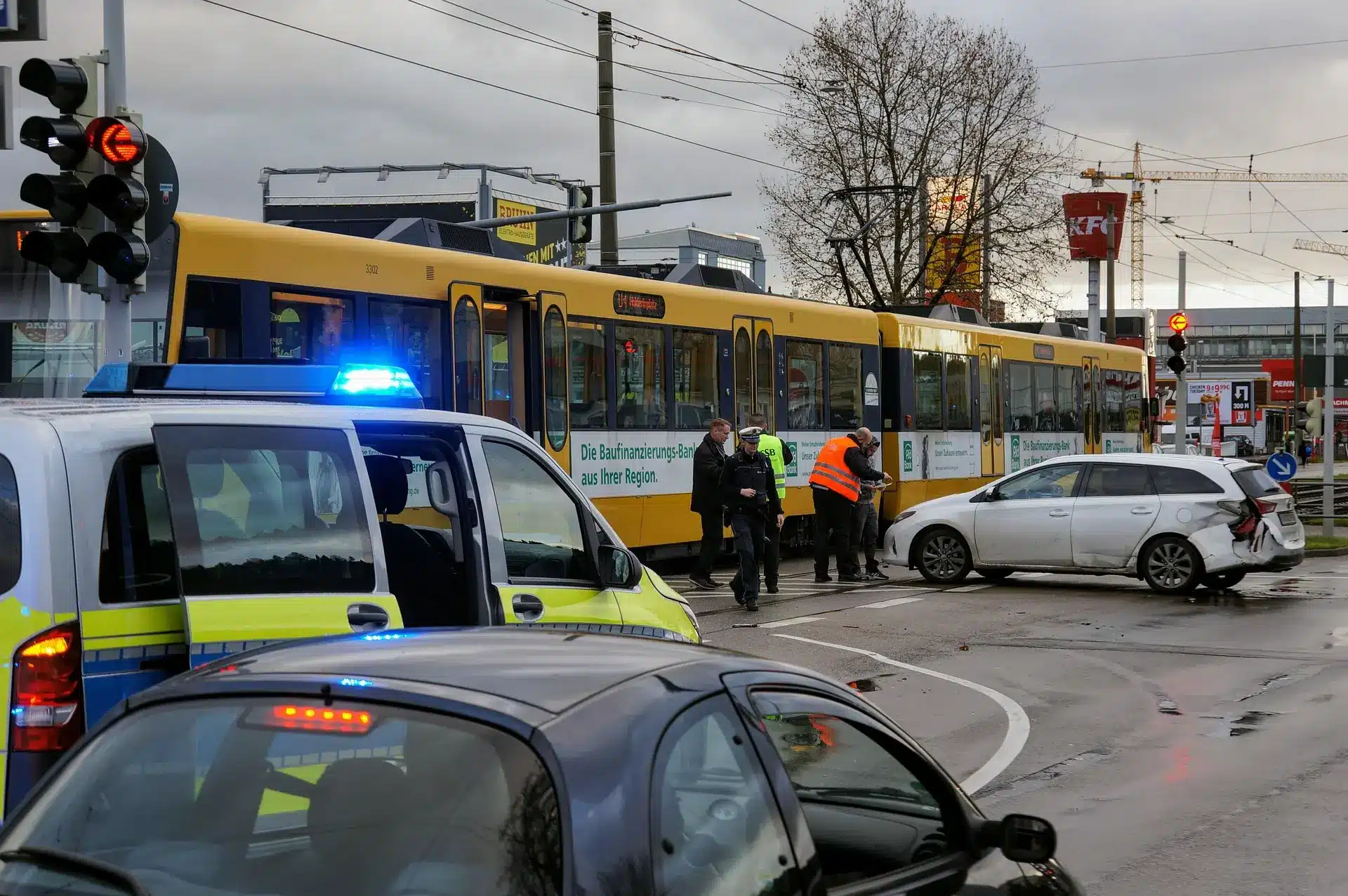
Why Motorcycle Claims in California Move Slower Than Expected
People expect accident claims to move with urgency.
They don’t.
They move like verification.
First, documentation builds. Then, the medical treatment stabilizes. Then insurance reviews begin. Then negotiations stretch out. Then sometimes the court enters the picture.
And in between all of that, details matter more than most people expect.
California courts repeatedly reinforce this idea in injury cases: consistency beats speed.
Even in rulings like Fancourt and Hu, judges focus heavily on whether evidence stayed stable over time. When it didn’t, outcomes shifted.
That’s why the motorcycle accident claim process in California feels slow.
It isn’t slow for no reason. It slows down to test whether the story holds under pressure.
A Los Angeles motorcycle accident lawyer doesn’t contest that system. They work inside it, so it doesn’t fracture the claim.
Why “No-Win, No-Fee Lawyers” Still Screen Motorcycle Cases
Right after a crash, money becomes another injury.
Bills arrive early. Recovery takes time. And work doesn’t restart quickly.
A “no-win, no-fee” setup changes access. It removes upfront legal cost pressure so injured riders can pursue claims.
But here’s the part people don’t think about enough: No-win no-fee doesn’t mean every case gets accepted.
Lawyers still evaluate:
- Whether they can prove the fault
- Whether medical evidence supports long-term harm
- Whether insurance coverage can pay for damages
They do it because winning a case on paper means nothing if recovery never materializes.
So, this structure doesn’t soften legal standards. It forces clarity early.
Why Insurance Calls Early But Shapes Later Claims
Insurance calls usually come quickly. (And sometimes too quickly.)
They sound calm. Helpful. Routine.
But early conversations often shape the entire claim later. Courts in California allow early recorded statements to carry weight when testimony changes afterward.
That creates a risk most riders don’t see coming.
One small sentence like “I didn’t see them” can quietly turn into partial fault later.
That’s where a Los Angeles motorcycle accident lawyer becomes protective, not aggressive. They slow communication down so the record doesn’t get distorted before facts fully exist.
Frequently Asked Questions
Do I need a lawyer immediately after a motorcycle crash?
You don’t legally need one, but early legal help protects evidence. The first few days often decide how strong your case becomes later.
Why are motorcycle cases harder in California courts?
Because insurers often assume riders share fault. That assumption shifts pressure onto the rider to prove clarity.
Can I still win if I don’t have video evidence?
Yes. Many cases rely on medical records, witness statements, and accident reconstruction instead of video.
What if my injuries show up days later?
That happens often. The key is medical documentation linking delayed symptoms to the crash.
Do most motorcycle accident cases go to court?
No. Many settle through negotiation. Cases usually go to court when liability or damages stay disputed.
What damages can I recover after a motorcycle crash?
You can recover medical costs, lost wages, future treatment expenses, and pain-related damages.
Should I talk to insurance before a lawyer?
You can, but it carries risk. Early statements often get used to limit or reshape claims later.
When the Crash Ends, the Legal Story Begins
Motorcycle crashes don’t stay physical. They turn into timelines, reports, medical charts, and disagreements about what happened in seconds that have already passed.
A Los Angeles motorcycle accident lawyer doesn’t change the crash. They change what survives after it.
At Blair & Ramirez LLP, that work looks less like noise and more like structure, building cases that hold up in California courts where emotion fades, and proof decides everything.
And maybe that’s the real tension underneath all of this, not just what happened on the road, but who gets to define it afterward.
But you don’t have to carry that fight alone or guess your way through it. If a crash has already changed your life, the next step matters more than people think. Reach out to Blair & Ramirez LLP and let a focused legal team step in early, protect your claim, and start building it the right way before anything important gets lost in the noise.