


Matt Blair TL;DR Compensation for injury in California usually pays for your doctor visits, the money you couldn’t earn, and the pain you went through. There’s no set number for these claims. The value depends on your injuries, who caused the accident, and a few state rules. Most people only hear about these rules once the first offer comes in.That ... Read More
California Burn Injury Claims: Compensation and Legal Options

Matt Blair TL;DR California burn injury claims pay for your medical care, any lost paychecks, and the pain of scars that don’t fade. Who you can claim against depends on how you got burned. If it happened at work, the rules are different. You have to act fast. The deadline is sometimes just six months, sometimes up to two years.A ... Read More
Remote Employee Rights in California: Know What the Law Protects

Matt Blair TL;DR Working from home does not mean you lose your rights as a California employee. Remote and hybrid workers may still have rights related to pay, overtime, work expenses, discrimination, and disability accommodations. In this article, we explain remote employee rights California workers should know and how Blair & Ramirez LLP can help when a workplace problem affects ... Read More
What is Constructive Dismissal in California? Justice Kelli Evans & the Quit That Wasn’t Really a Quit

Matt Blair TL;DR What is constructive dismissal in California? It usually means an employee quits because working conditions become so bad that a reasonable person would feel forced to leave. California courts call this constructive discharge, and the facts behind the resignation matter a great deal.You quit. You gave notice. You walked out. So, legally, you resigned. Right? Not always. ... Read More
How Much Is My Personal Injury Case Worth? What Decides the Payout

Matt Blair TL;DR How much is my personal injury case worth? There’s no magic number. It all comes down to your injuries, the proof you have, who caused the accident, and how much insurance is available. Sure, you can find average payouts online. But those numbers won’t help you much. Your case is your own. Let’s look at how the ... Read More
How to Prove Race Discrimination at Work in California?

Matt Blair TL;DR How to prove race discrimination at work in California starts with the facts. What happened, who made the decision, how were other workers treated, and what records can show the difference?What if you work hard, follow the rules, and still feel like you are being treated differently? Maybe you lose a promotion, your hours change, or your ... Read More
Hollywood’s Layoff Shock and What the Mass Layoff WARN Act in California Means for Workers

Matt Blair TL;DR The mass layoff WARN Act in California generally requires covered employers to give 60 days’ notice before certain large layoffs, closures, and relocations. When an employer fails to follow the rules, workers may have a right to back pay and lost benefits.Hollywood makes movies, TV shows, and big dreams. But behind every production are real people with ... Read More
How TBI Cases Are Valued in California: Long-Term Care Costs Explained

Matt Blair TL;DR How TBI cases are valued in California begins with a challenge most injuries never face. You have to prove the injury is there. After that, the amount depends on care costs, what the future looks like for the person, and California’s rules about health problems you had before. Here’s how that actually works.If you break a bone, ... Read More
California Dog Bite Laws: Strict Liability Explained

Matt Blair TL;DR California dog bite laws don’t care if a dog has ever bitten anyone before. With strict liability, the owner is usually on the hook right away. First bite, last bite, doesn’t matter much. There are only a few rare exceptions. Let’s get into what this law covers and what your claim could be worth in California.In most ... Read More
At-Will Employment in California: What Your Employer Can’t Do & What Justice Evans Saw Coming
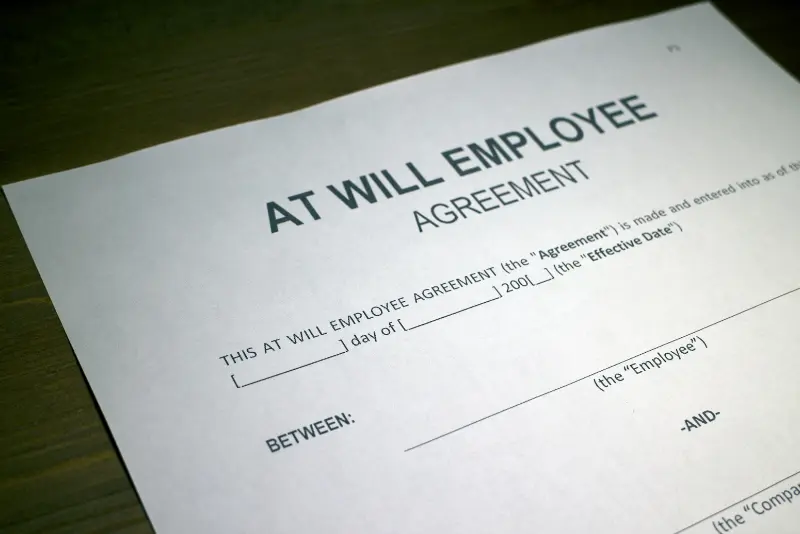
Your at-will employment in California is not as simple as “your boss can fire you whenever they want.” California employers have broad power under the at-will rule, but discrimination, retaliation, contracts, and public policy can place real limits on that power.